
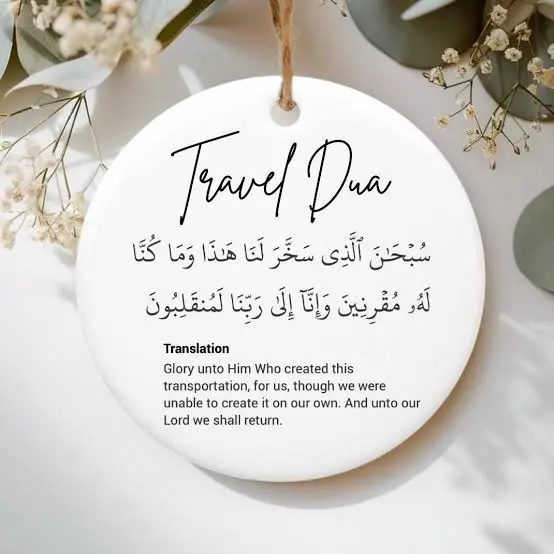
Travel Dua: What to Read When Starting a Journey
A Travel Dua journey starts with a decision to leave one place and reach another. It might be a morning drive, a visit to relatives, a work trip, or a flight to another country. Whatever the distance, a Muslim can make the beginning of that journey a moment of remembrance.
Islam provides a particular supplication for this situation. It is commonly searched for as Travel Dua, and its practice is traced directly to the Sunnah of Prophet Muhammad ﷺ.
اللّٰهُ أَكْبَرُ، اللّٰهُ أَكْبَرُ، اللّٰهُ أَكْبَرُ
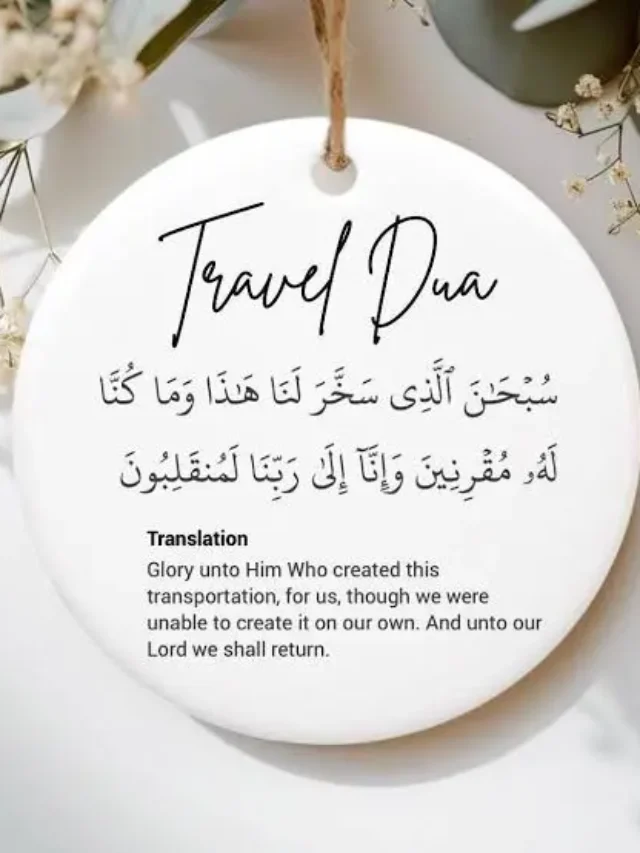
سُبْحَانَ الَّذِي سَخَّرَ لَنَا هَٰذَا وَمَا كُنَّا لَهُ مُقْرِنِينَ وَإِنَّا إِلَىٰ رَبِّنَا لَمُنقَلِبُونَ
The Travel Dua in the Hadith
The strongest way to understand a travel supplication is to look at the narration in which it was reported.
Ibn Umar (RA) described the practice of the Prophet ﷺ when he was leaving for a journey. After mounting his camel, he said Takbir three times and then recited the supplication associated with traveling.
للَّهُمَّ إِنَّا نَسْأَلُكَ فِي سَفَرِنَا هَٰذَا الْبِرَّ وَالتَّقْوَىٰ، وَمِنَ الْعَمَلِ مَا تَرْضَىٰ، اللَّهُمَّ هَوِّنْ عَلَيْنَا سَفَرَنَا هَٰذَا، وَاطْوِ عَنَّا بُعْدَهُ، اللَّهُمَّ أَنْتَ الصَّاحِبُ فِي السَّفَرِ، وَالْخَلِيفَةُ فِي الْأَهْلِ، اللَّهُمَّ إِنِّي أَعُوذُ بِكَ مِنْ وَعْثَاءِ السَّفَرِ، وَكَآبَةِ الْمَنْظَرِ، وَسُوءِ الْمُنْقَلَبِ فِي الْمَالِ وَالْأَهْلِ.

The report is recorded in Sahih Muslim. It also mentions a remembrance that the Prophet ﷺ would say when returning home.
This is important because it shows that travel-related remembrance was part of the Prophet’s practice rather than a phrase created specifically for modern travelers.
What Makes This Supplication Different?
The Travel Dua is not limited to one request.
Its meaning moves through several subjects: Allah’s greatness, appreciation for transportation, righteous conduct, an easier journey, and protection from unpleasant experiences.
It also includes concern for the people and belongings a traveler leaves behind.
اللَّهُمَّ إِنِّي أَعُوذُ بِكَ مِنْ وَعْثَاءِ السَّفَرِ، وَكَآبَةِ الْمُنْقَلَبِ، وَسُوءِ الْمُنْقَلَبِ فِي الْمَالِ وَالْأَهْلِ.
That range gives the supplication a deeper purpose. A person is not simply asking to arrive quickly. They are placing the whole journey within their relationship with Allah.
The Right Time to Say It
The hadith gives us the clearest clue about timing. The Prophet ﷺ recited the supplication after mounting his camel while setting out.
Today, the situation will naturally look different.
A person going by car can say it after getting into the vehicle. Someone flying can do so after boarding. A train passenger can remember Allah when the journey is beginning.
اللَّهُ أَكْبَرُ
سُبْحَانَ اللَّهِ
The vehicle has changed; the act of remembering Allah during travel has not.
If Your Journey Is Very Short
A trip does not have to involve a border crossing or several hours on the road for a person to appreciate the habit of remembrance.
People often make short journeys every day. They may travel to another town, visit relatives, attend an appointment, or go somewhere for work.
The established travel supplication is associated with setting out, while separate Islamic rulings determine matters such as when a person receives the legal status of a traveler for prayer purposes.
Keeping those two issues separate prevents confusion.
What the Supplication Says About Transportation
The wording of the travel supplication draws attention to something people often overlook: transportation itself is a blessing.
A modern passenger may step into a car or airplane without thinking about how much has been made available for that trip.
The supplication changes that perspective.
أَعُوذُ بِكَلِمَاتِ اللَّهِ التَّامَّاتِ مِنْ شَرِّ مَا خَلَقَ
Instead of seeing the vehicle only as a machine, the traveler is reminded that Allah has enabled people to use such means of transport.
A Request for a Good Journey
Another feature of the supplication is its concern with the traveler’s conduct.
The traveler asks Allah for righteousness and actions that are pleasing to Him.
آيِبُونَ، تَائِبُونَ، عَابِدُونَ، لِرَبِّنَا حَامِدُونَ
This matters because reaching a destination is not the only concern. A Muslim’s behavior on the way there matters too.
A person can travel for business, study, family reasons, or another lawful purpose while trying to maintain honesty and good character.
The Journey May Not Go as Planned
Even carefully arranged trips can change.
A road may become congested. A flight may be delayed. Luggage may arrive late. Weather can interfere with plans. A traveler may simply become exhausted.
The Travel Dua acknowledges the possibility of difficulty rather than assuming that every journey will be perfectly comfortable.
اللَّهُ أَكْبَرُ، اللَّهُ أَكْبَرُ، اللَّهُ أَكْبَرُ
سُبْحَانَ الَّذِي سَخَّرَ لَنَا هَٰذَا وَمَا كُنَّا لَهُ مُقْرِنِينَ وَإِنَّا إِلَىٰ رَبِّنَا لَمُنقَلِبُونَ
This makes the supplication especially relevant to real-life travel, where uncertainty is unavoidable.
The People Who Stay at Home
Travel also creates a separation between the traveler and those at home.
The Sunnah supplication includes a request concerning the traveler’s family and possessions left behind.
اللَّهُمَّ إِنَّا نَسْأَلُكَ فِي سَفَرِنَا هَٰذَا الْبِرَّ وَالتَّقْوَىٰ، وَمِنَ الْعَمَلِ مَا تَرْضَىٰ، اللَّهُمَّ هَوِّنْ عَلَيْنَا سَفَرَنَا هَٰذَا، وَاطْوِ عَنَّا بُعْدَهُ، اللَّهُمَّ أَنْتَ الصَّاحِبُ فِي السَّفَرِ، وَالْخَلِيفَةُ فِي الْأَهْلِ، اللَّهُمَّ إِنِّي أَعُوذُ بِكَ مِنْ وَعْثَاءِ السَّفَرِ، وَكَآبَةِ الْمَنْظَرِ، وَسُوءِ
That detail gives the prayer a personal dimension. Someone who travels is not thinking exclusively about themselves; they can also place their family and belongings under Allah’s care.
Travel Dua When Coming Back
The return journey has a special mention in the same hadith.
Ibn Umar (RA) reported that when the Prophet ﷺ returned from travel, he would repeat the relevant remembrance and add words connected with returning, repentance, worship, and praise of Allah.
حَسْبِيَ اللَّهُ وَنِعْمَ الْوَكِيلُ
So the practice is not restricted to the first departure. Coming home can also be marked by remembrance.
Should You Still Take Safety Precautions?
Absolutely.
A person who makes Travel Dua should still behave sensibly. If driving, follow traffic rules and avoid dangerous decisions. If flying, follow the airline’s safety instructions. Keep passports, tickets, medication, money, and other necessities properly arranged.
Reliance upon Allah does not mean ignoring the means available to us.
رَبِّ اشْرَحْ لِي صَدْرِي وَيَسِّرْ لِي أَمْرِي
The better approach is to prepare as well as possible and then leave the matters outside one’s control to Allah.
Travel Dua for Children
Family trips can be a natural time to teach children this Sunnah.
A child may not memorize the complete supplication immediately. Parents can first explain its purpose and gradually help them learn the words.
لَا إِلَهَ إِلَّا أَنْتَ سُبْحَانَكَ إِنِّي كُنْتُ مِنَ الظَّالِمِينَ
When children repeatedly see the practice before journeys, it can become familiar without turning it into a complicated lesson.
Can You Make Your Own Supplication Too?
Yes.
The established Travel Dua is a specific Sunnah remembrance, but Muslims are not restricted from asking Allah for other lawful needs.
A traveler may personally ask for health, guidance, forgiveness, beneficial work, family wellbeing, or ease in a particular situation.
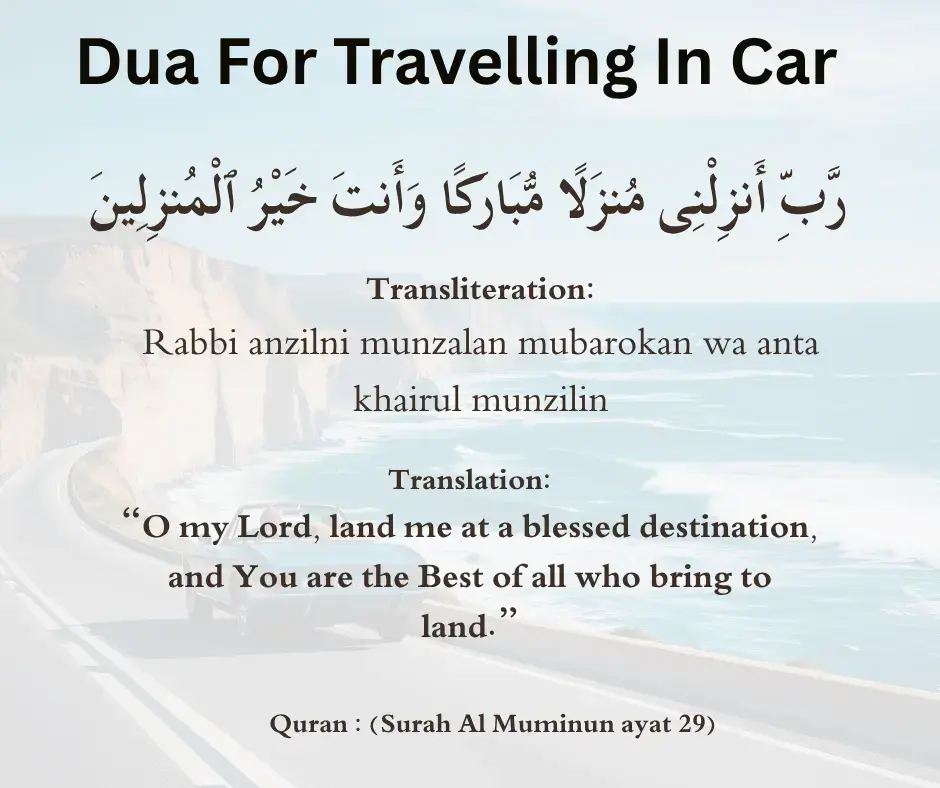
Personal prayer and the established Sunnah supplication can therefore exist together.
A Simple Reminder Before Departure
There is no need to make the process lengthy.
Before leaving, a traveler can make sure the practical side of the trip is ready and then take a moment for remembrance.
Check the essentials. Settle anything important at home. Get into the chosen means of transport. Remember Allah and recite the established travel supplication.
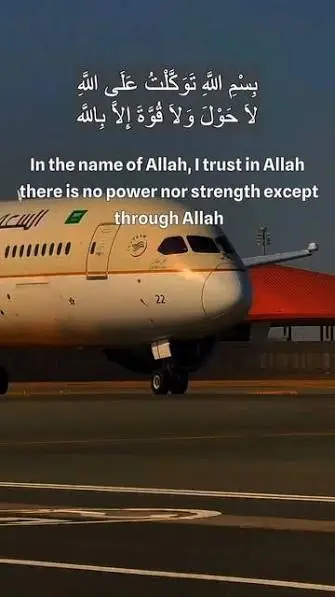
That small pause can become a consistent part of the travel routine.
Common Questions About Travel Dua
It is the supplication connected with setting out on a journey that was reported from Prophet Muhammad ﷺ.
The well-known narration is reported by Ibn Umar (RA) and recorded in Sahih Muslim.
Yes. Modern transportation does not change the general relevance of the Sunnah remembrance for a journey.
Yes. A person beginning a flight can recite the established travel supplication.
The authentic narration does not provide separate travel supplications for cars, buses, trains, or airplanes.
The hadith also reports an additional remembrance used by the Prophet ﷺ when returning from travel.
No. It is a supplication to Allah, not a promise that every journey will be completely free of delays or difficulties.

Final Words
Travel gives a person many reasons to plan, but it also provides a reason to remember the One who controls what human planning cannot.
The Travel Dua comes from an authentic report of the Prophet ﷺ and brings several ideas together: gratitude, righteous behavior, ease, protection, and care for those left behind.
اللَّهُمَّ بَارِكْ لَنَا فِيهَا
For someone following the Sunnah, this short moment of remembrance can become the first step of a journey—before the road, train, or airplane carries them toward their destination.